
Est. 1993

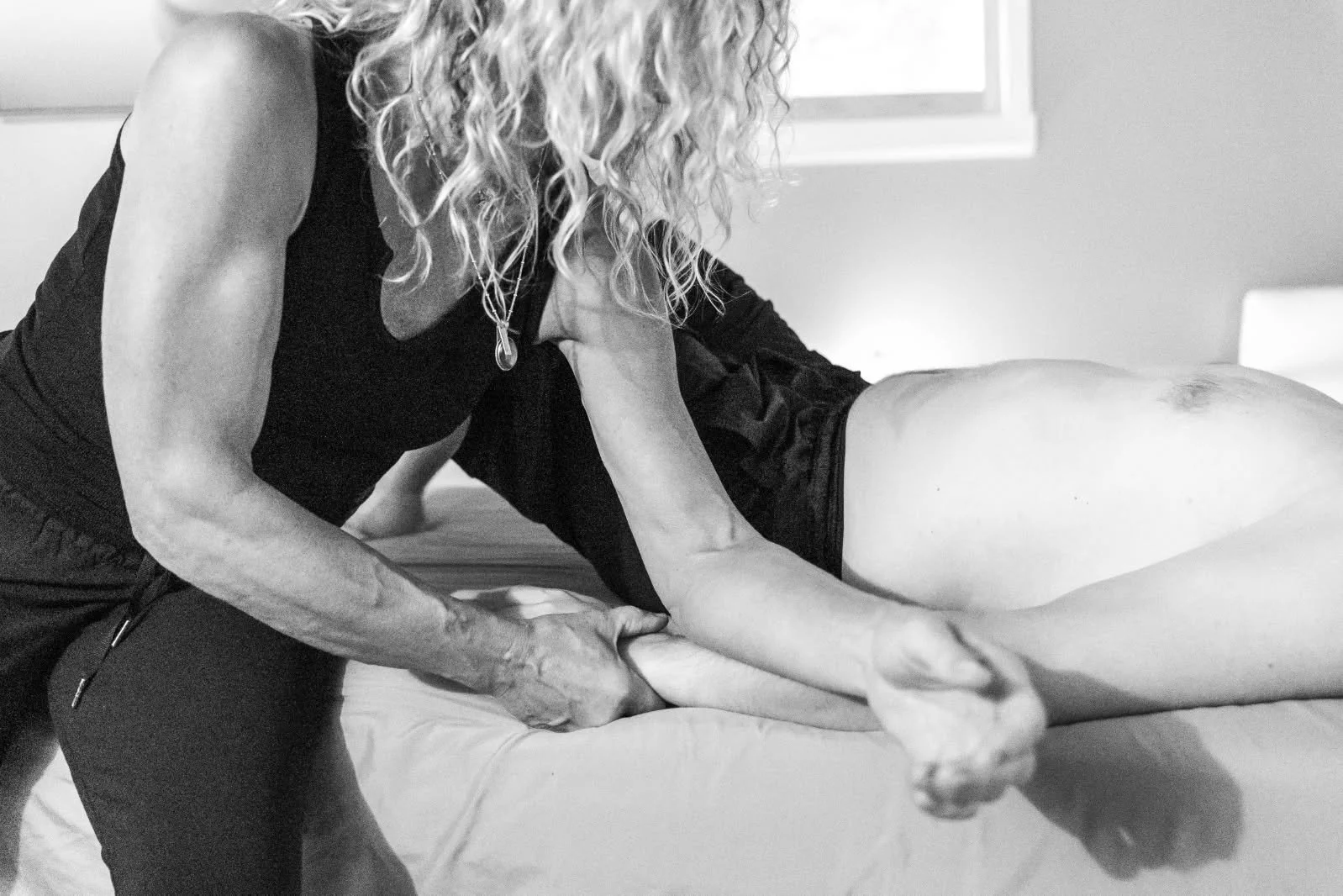
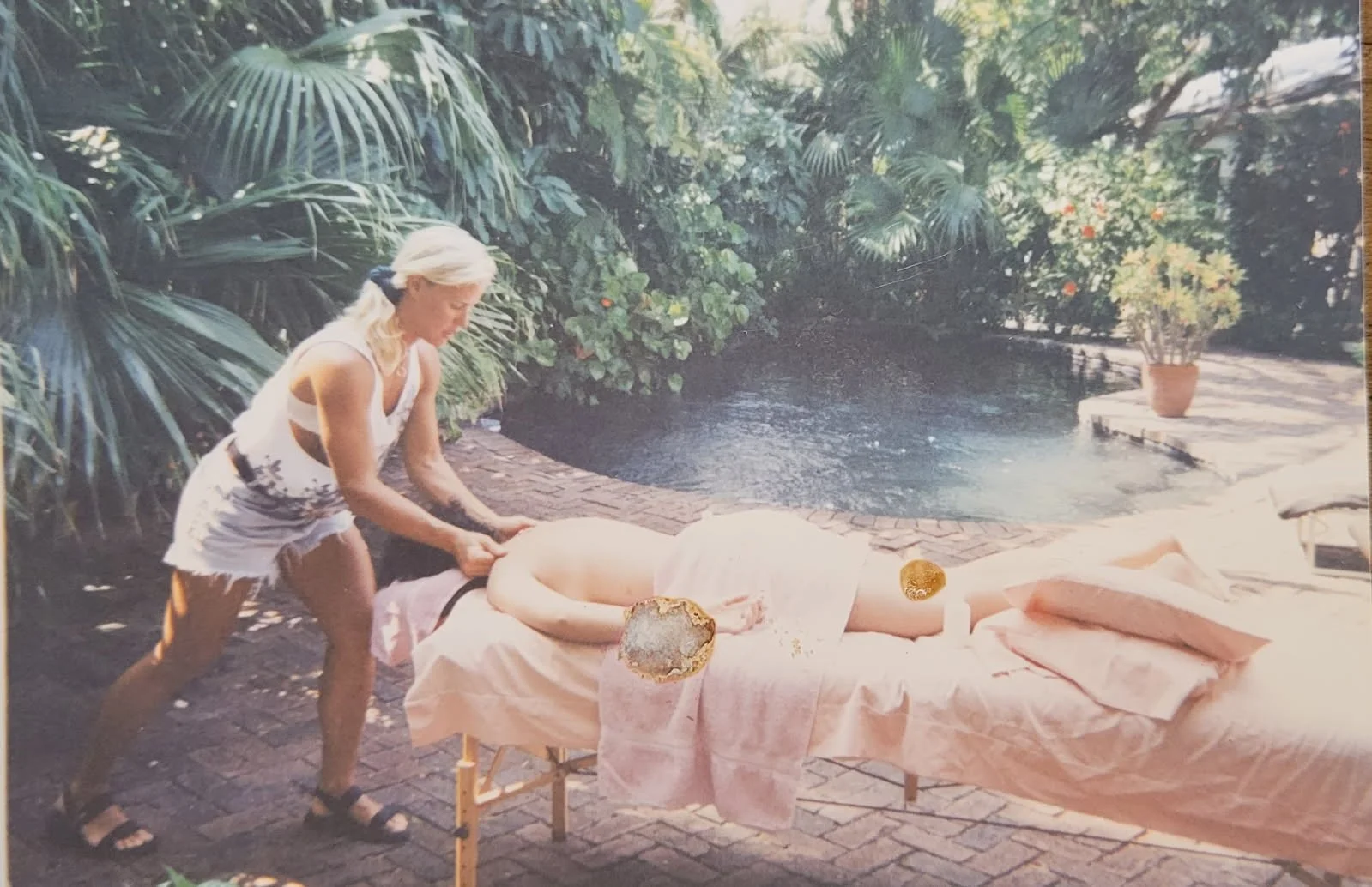
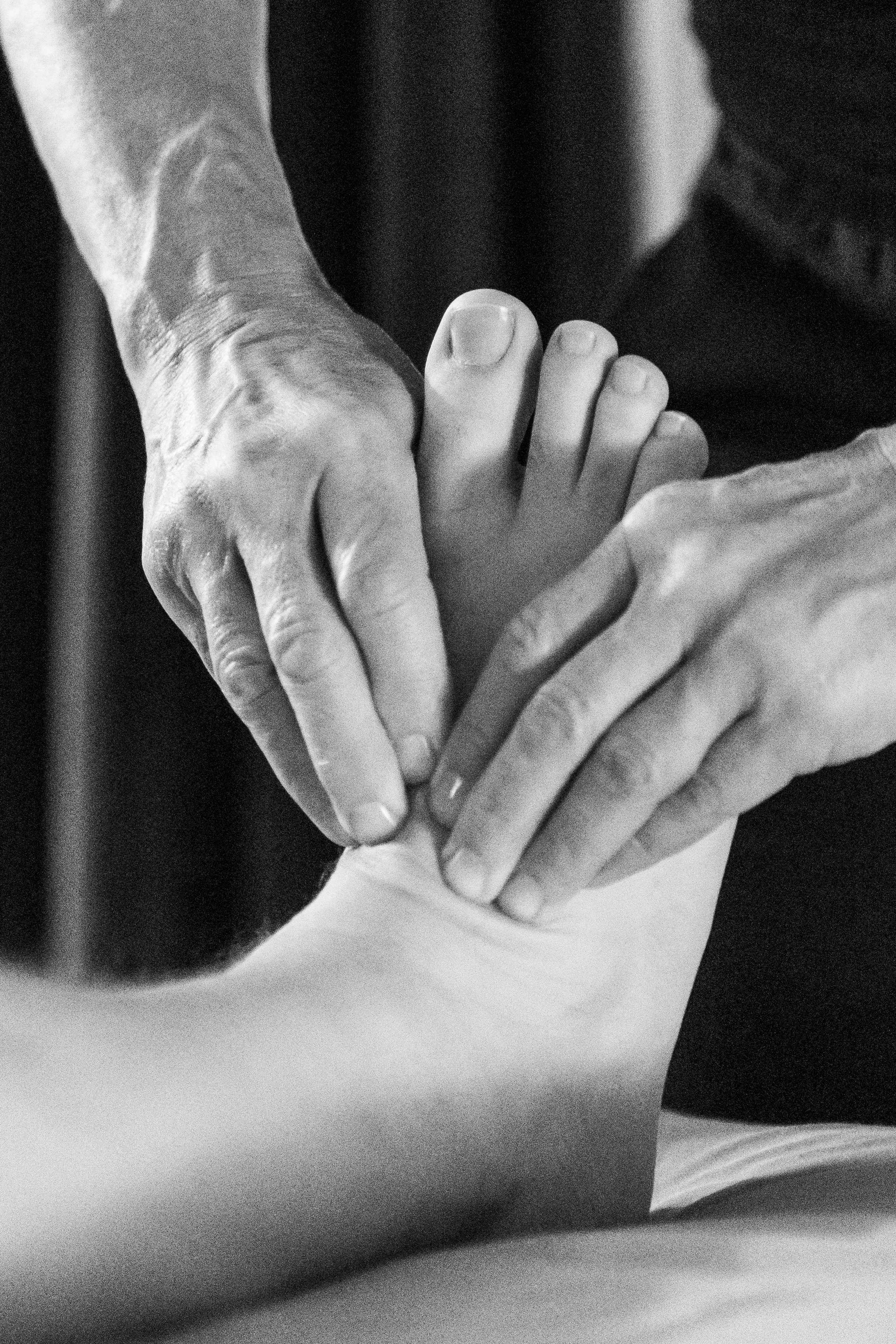
In 1993 I began my life’s work as a massage therapist. The job I imagined I would enjoy ended up becoming my life’s calling. It brings me great joy when my clients walk away with a sense of order and peace in body, mind and spirit. My work focuses on fascial manipulation which uses a unique integrative manual therapy technique targeting tension patterns in the fascia and muscles to help reduce pain and stiffness as well as restore muscle balance, mobility and flexibility.
My lifelong commitment to health and wellness allows me to use a variety of modalities including Structural Integration, stretching and movement techniques to help better your health. I look forward to the future with my clients on their pathway to better health through bodywork.
At your first session, I will conduct an assessment of your current wellness from a written intake form, a standing position and movement postion. We will chat a bit and I will create a personal plan for your therapy sessions. Please wear underwear so you are comfortable during the standing and movement assessments. Also, please do not lotion or oil your body before your session
I am happy to refer you to other wellness professionals that can help you in their fields of specialty:
Physical Therapy, Pilates, Personal Training, Yoga, Chiropractic, Acupuncture etc..

FAQs
What is Structural Integration?
1
In essence, Structural Integration (aka SI) serves to unlock and restore hydration and vitality to the fascia in the body. Fascia is a protective sheath found throughout the body providing stability to everything it touches; muscles, tendons and organs. Offered as a 10-session series, SI can restore your body's healthful processes, correct posture, increase metabolism, and counteract negative biochemical processes in the muscle tissue.
Is Structural Integration painful?
2
It can be painful at times. Practitioners of Structural Integration work to release (unglue) adhesions surrounding muscles, between muscles and between muscle and bone. Pain associated with releasing these adhesions can be greatly lessened when the client is actively involved in moving their own body and by breathing techniques that remind the client to let go of contracted muscles.
What is the difference between Structural Integration and massage?
3
Structural Integration is defined by a 10-session sequential series. There are many techniques I can utilize to release the body’s muscle and soft tissue layers. What sets Structural Integration apart is its unique organizational viewpoint.
Are the changes obtained by Structural Integration permanent?
4
Yes, it can….but, it takes more than Structural Integration for people to effect change in their lives and body. Structural Integration is very powerful and highly effective at improving a person’s range of motion and posture. Teaching a person new ways of moving, breathing, and helping them release emotional holding patterns held within their body is also critical.
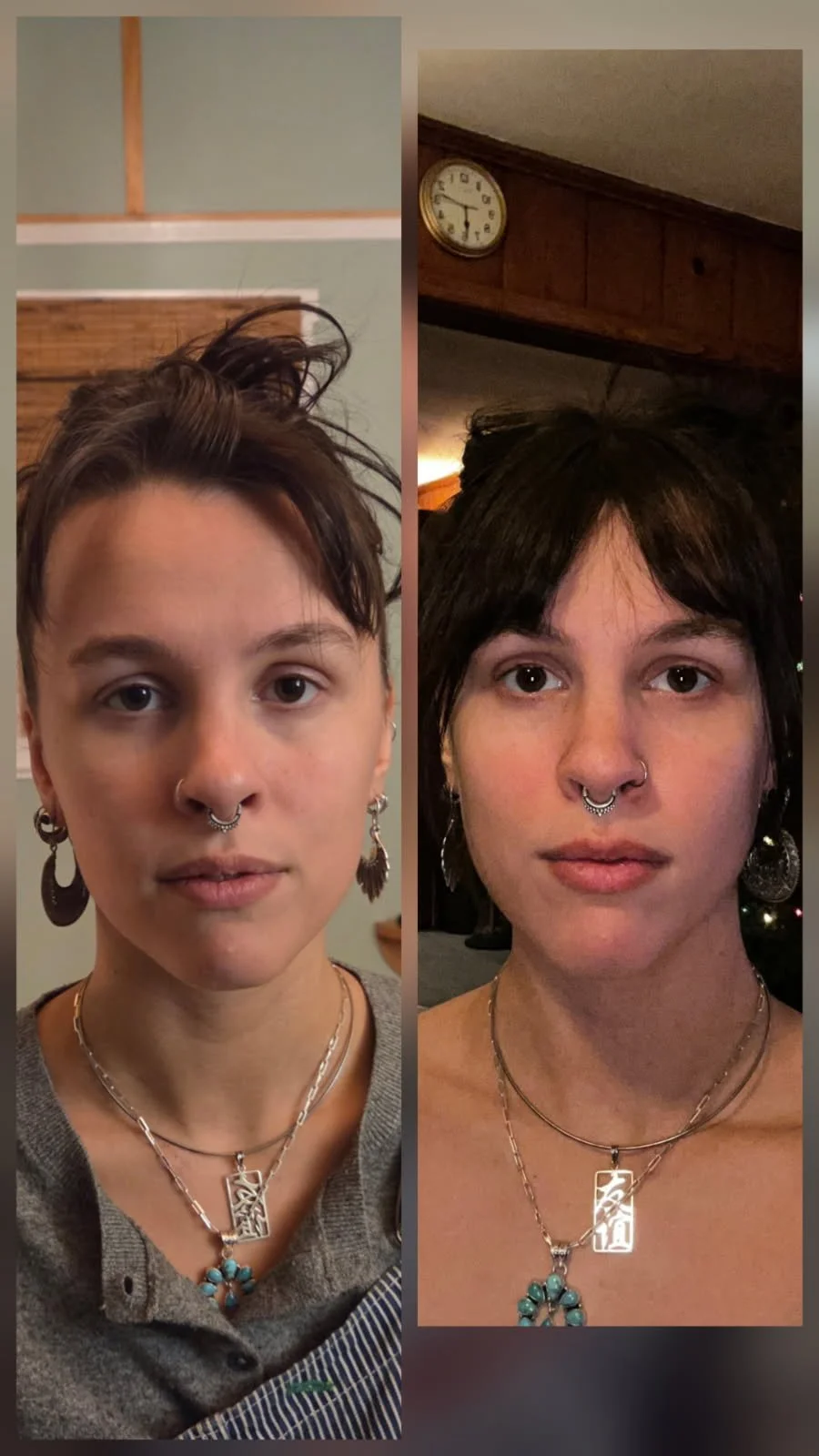
Before and After of Facial Massage

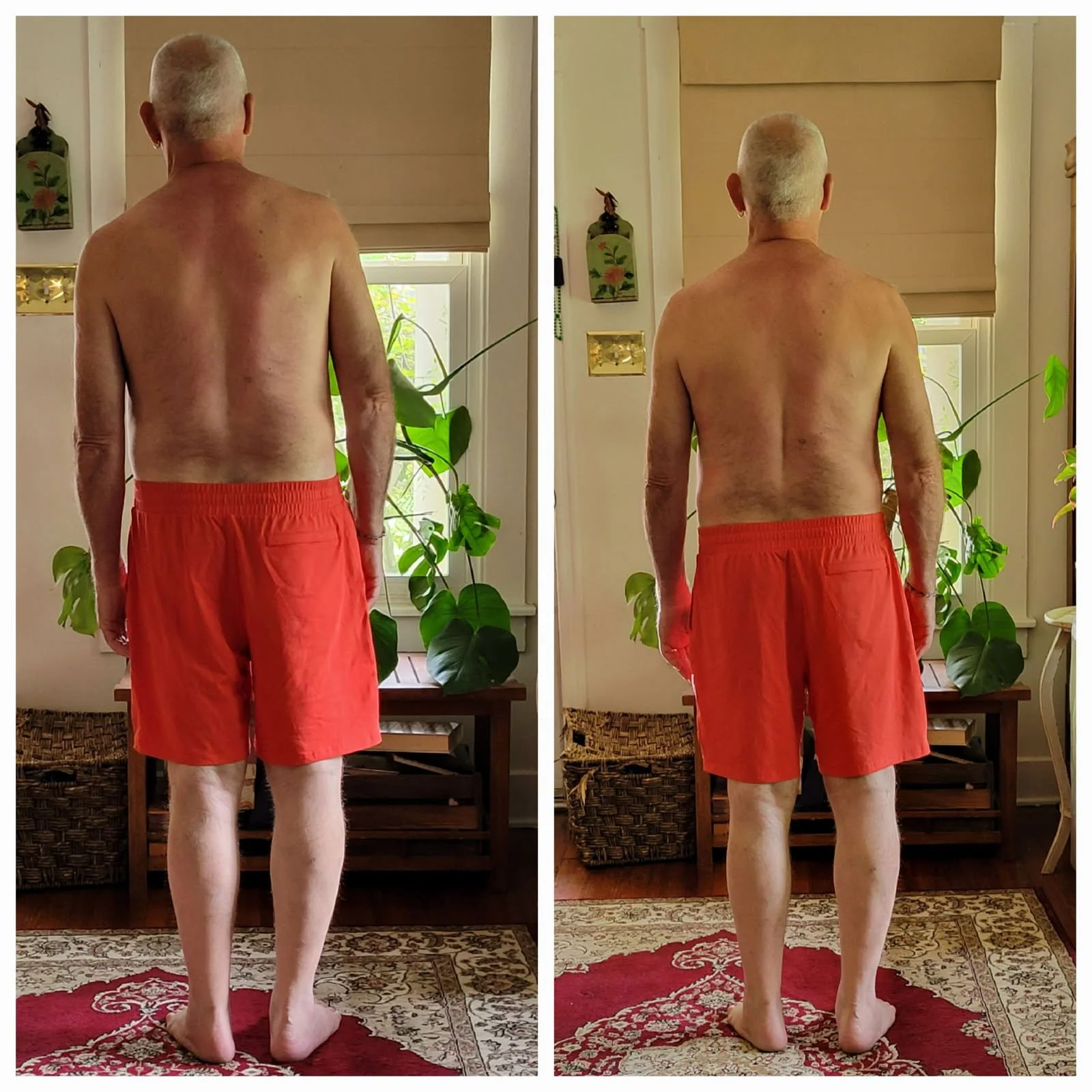
Before and After Massage

Backstage from Touring with Kacey Musgraves